Harvest Season
| Varietal(s) | Typica, Catimor |
|---|---|
| Processing | Giling Basah (wet-hulled) + Swiss Water Process decaffeination |
| Roast Level | Dark |
| Decaf | Yes — Swiss Water Process |
Roast Notes
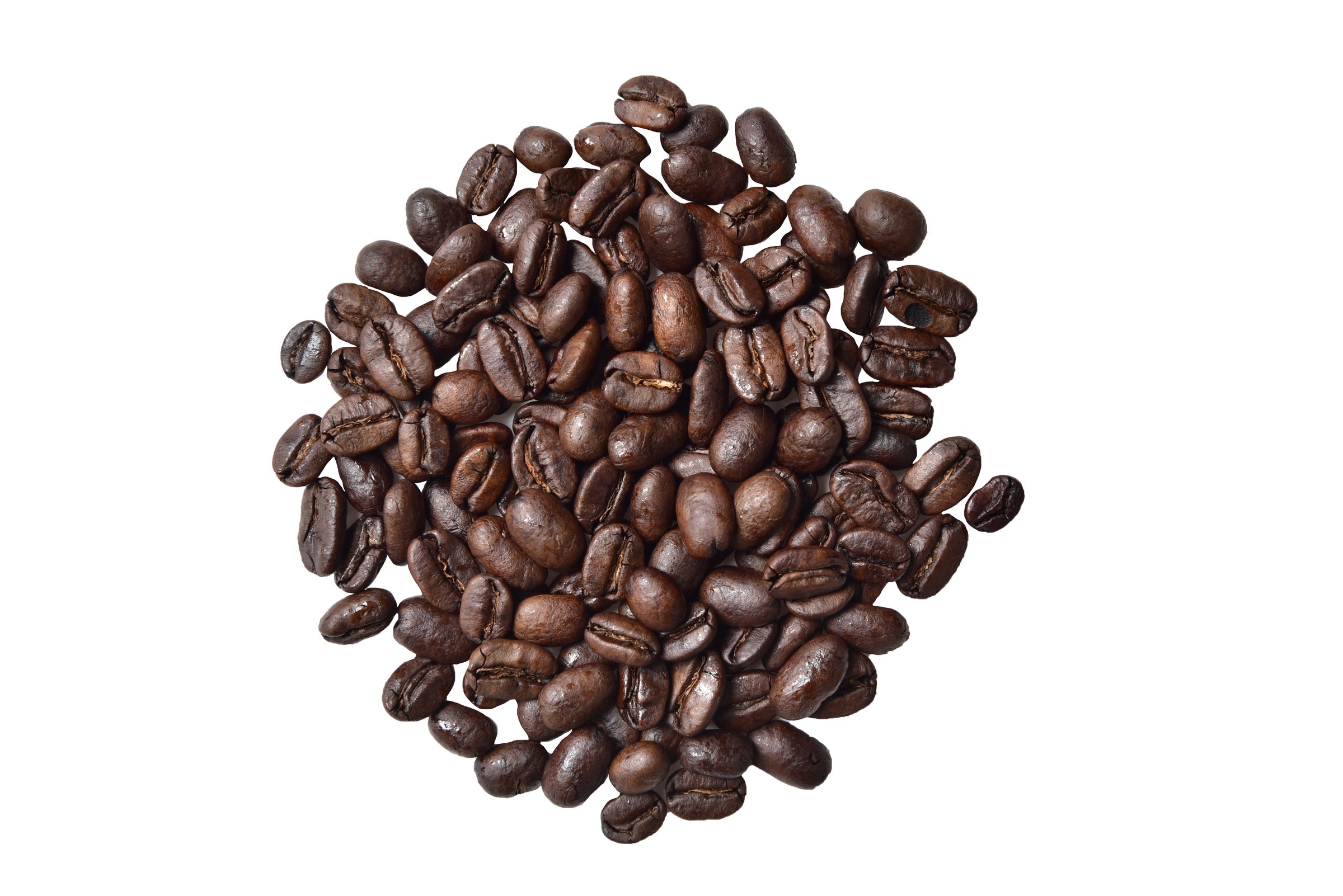
Full dark roast — decaf beans roast faster and darker; we back off just enough to keep the chocolate deep and the body velvety without tipping into carbon
Decaf Sumatra sounds like a contradiction. The whole point of Mandheling is its heavy, syrupy body, its low acidity, that unmistakable forest-floor earthiness — all of which are fragile things. Run a coffee like this through a chemical decaffeination process and you risk stripping out everything that made it worth drinking in the first place. We’ve tasted decaf Sumatras that came back tasting like warm cardboard. We’ve tasted decaf Sumatras that were so hollow you’d swear the beans were roasted three years ago. This isn’t one of those.
The Swiss Water Process is the difference. Developed in Switzerland in the 1930s and refined in the decades since, it uses nothing but water, temperature, and time to extract caffeine from green coffee. No methylene chloride. No ethyl acetate. No solvents at all. The green beans are soaked in water to create a flavor-saturated solution — what the industry calls Green Coffee Extract — and then passed through carbon filters that catch caffeine molecules while letting the larger flavor compounds through. The beans go back into that flavor-charged water and, through simple osmosis, the caffeine migrates out while the solubles that define Mandheling stay put.
That last part matters more for Sumatra than for almost any other origin. Giling Basah — the wet-hulling process where beans are mechanically stripped of their parchment at 30 to 40 percent moisture — creates a coffee with an unusually dense, savory structure. The microbiology of that wet-hull window produces compounds that any aggressive decaffeination process would obliterate. Swiss Water is gentle enough to leave them intact, and you can taste the difference. The chocolate is still there. The cedar is still there. The earth is still there.
In the cup, this decaf lands with more weight than most caffeinated coffees. Dark chocolate anchors the profile — 70 percent cacao, the kind that coats the tongue and hangs around. Warm baking spice follows — cinnamon, a touch of clove — along with cedar and that damp forest-floor note that’s pure Sumatran. The body is heavy, almost chewy. The acidity is barely perceptible. There’s a black-tea astringency on the edges that’s particular to decaf, but it reads as structure rather than defect. The finish is long and savory, chocolate fading into gentle cedar spice.
Roasting decaf requires attention. The beans are more porous after the Swiss Water process, which means they take on heat faster and darken more quickly. A roaster on autopilot will crash right past second crack and end up with something thin and ashy. We roast this one dark but not overdone — deep enough to develop the chocolate fully, restrained enough to keep the body intact and the spice notes from turning bitter.
Brew it like you’d brew the caffeinated version. French press is the classic choice: the full-immersion steep preserves the syrupy body and lets the chocolate fill the cup. Pour-over brings more clarity to the spice and cedar. Cold brew is a sleeper hit — the long, slow extraction at low temperature rounds off the decaf astringency entirely and leaves you with something that tastes like chocolate milk and drinks like a velvet blanket. If you’re cutting caffeine but not cutting corners, this is the Sumatra to reach for.
We’ve been roasting coffee in Lakewood, Colorado under our neighborhood brand, Village Roaster, since 1979. We carry three Sumatras — an Aceh, a Kerinci, and the Mandheling — and this decaf version means you can drink them all, all day, without the jitters. Same island, same process, now available after dark.
We Roast It This Way
We roast it this way: to a Dark roast. This is a specialty-grade green coffee. We recommend targeting 400–420°F charge temperature and aiming for City+ to Full City for a balanced cup that honours the origin character. First crack typically appears around 385–395°F (varies by roaster type and drum speed). Development time: 1:00–1:45 after first crack.
Full dark roast — decaf beans roast faster and darker; we back off just enough to keep the chocolate deep and the body velvety without tipping into carbon
